
The Future Of Computing
Quantum computing is attracting capital at a pace that would have seemed improbable only a few years ago. The appeal

Quantum computing is attracting capital at a pace that would have seemed improbable only a few years ago. The appeal

Oil, AI and interest rates all look positively frightening this October. The data underneath is more reassuring than the mask

There is a rhythm to markets that has little to do with fundamentals and everything to do with habit. September

Washington has just announced a deal that gives the US effective majority control of a joint venture developing seventeen Venezuelan oil fields sitting on more than 65 billion barrels of proven reserves.
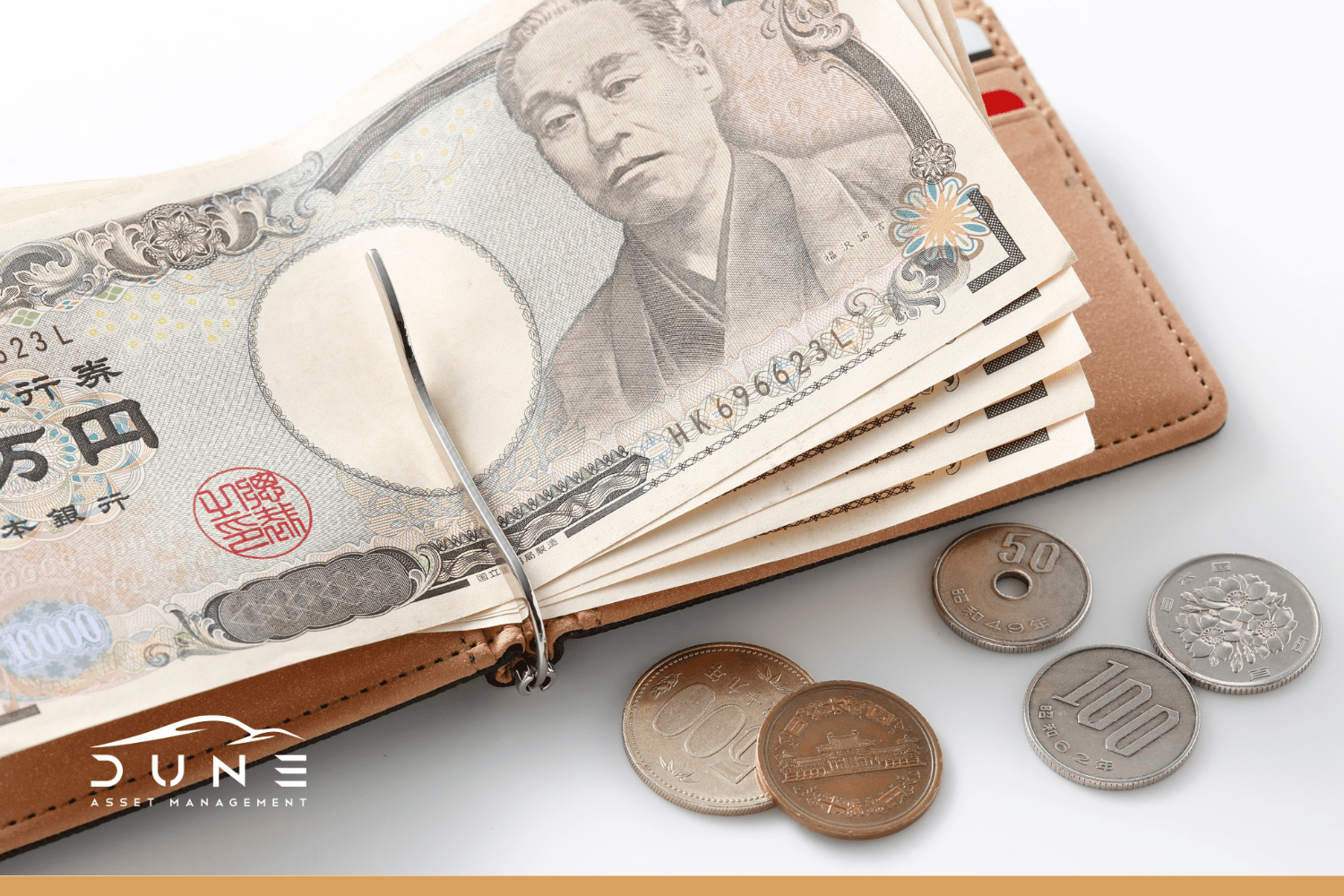
In early August 2026, the United States did something it almost never does. It joined Japan in buying yen to stop the currency from sliding further.
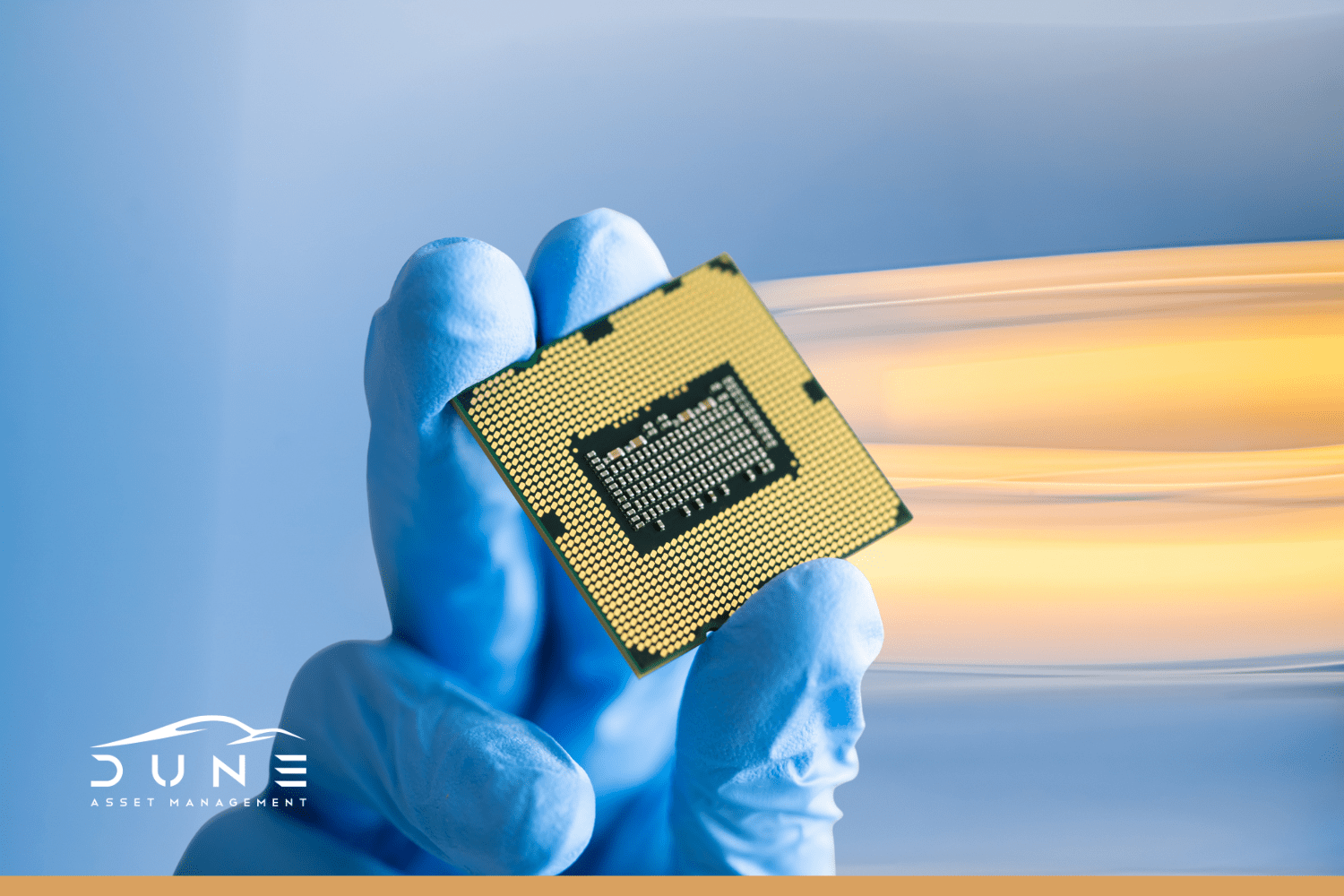
With South Korea’s grand strategy of introducing the K-Wave internationally, it should come to no surprise that this extends to the semi conductor industry too. What has happened in

When geopolitical crises erupt, conventional wisdom says markets panic uniformly, with investors fleeing risk assets and taking shelter in gold and treasuries. However, escalating tensions in the Middle East are rewriting that script

Financial markets tend to fixate on milestones, and few are as closely watched as the first interest rate cut following a tightening cycle. Headlines frame it as a turning point, markets often rally in anticipation, and investors debate its timing with near-obsessive focus.

With tech valuations stretched, investors are increasingly looking beyond the Magnificent Seven. Industrials and Power & Utilities could offer compelling opportunities as AI-driven electricity demand and economic growth drive a potential market rotation.

The capture of Nicolás Maduro has fundamentally reshaped the geopolitical map, but for energy investors, the real story is just beginning. While the headlines focus on the political transition, the markets are busy weighing the long-term potential of
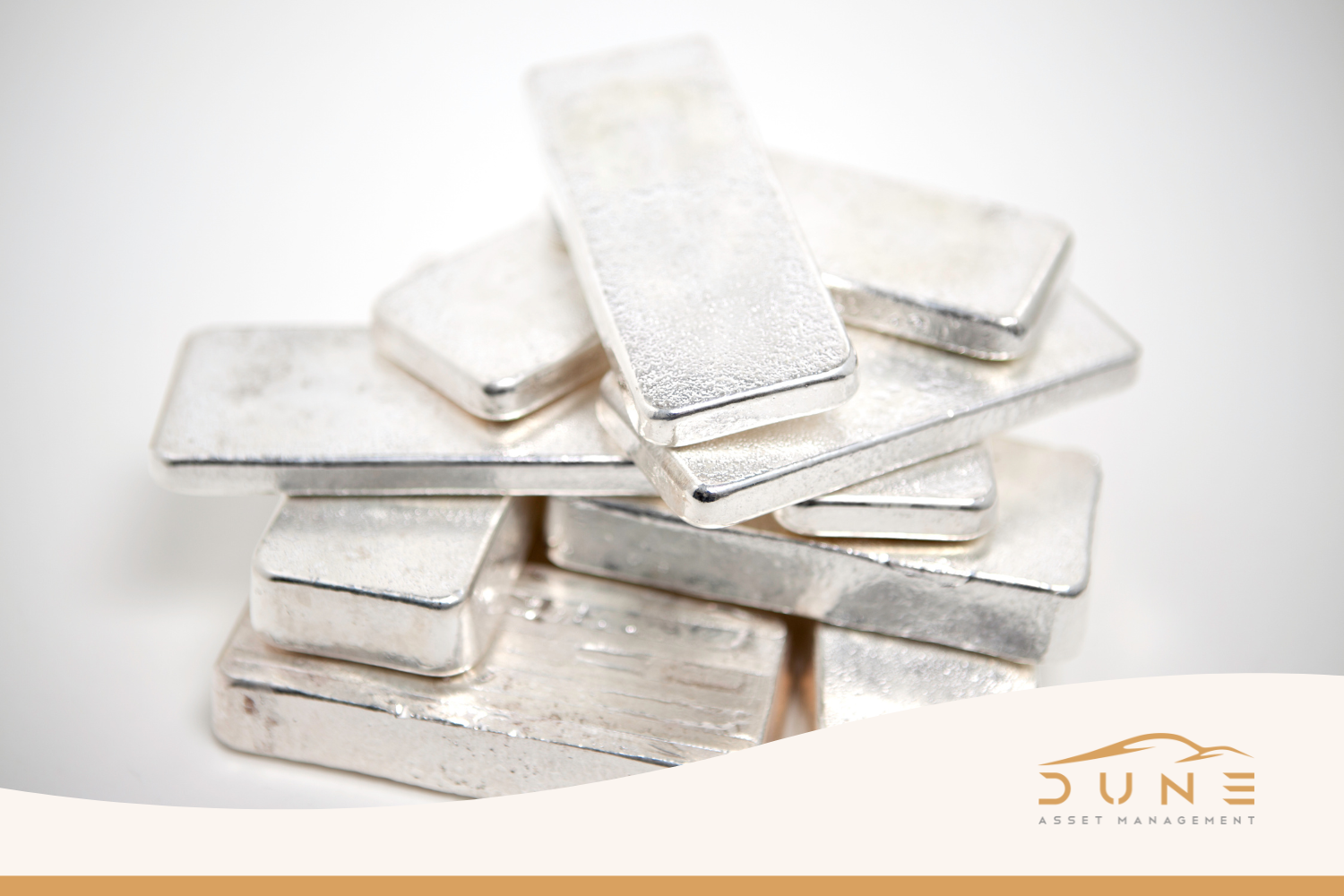
Silver’s ascent is not a fleeting spike but a structural re‑rating, where years of under‑investment, inelastic supply and green‑transition demand collide with a changing monetary regime to turn a once‑ignored metal into a central macro asset.
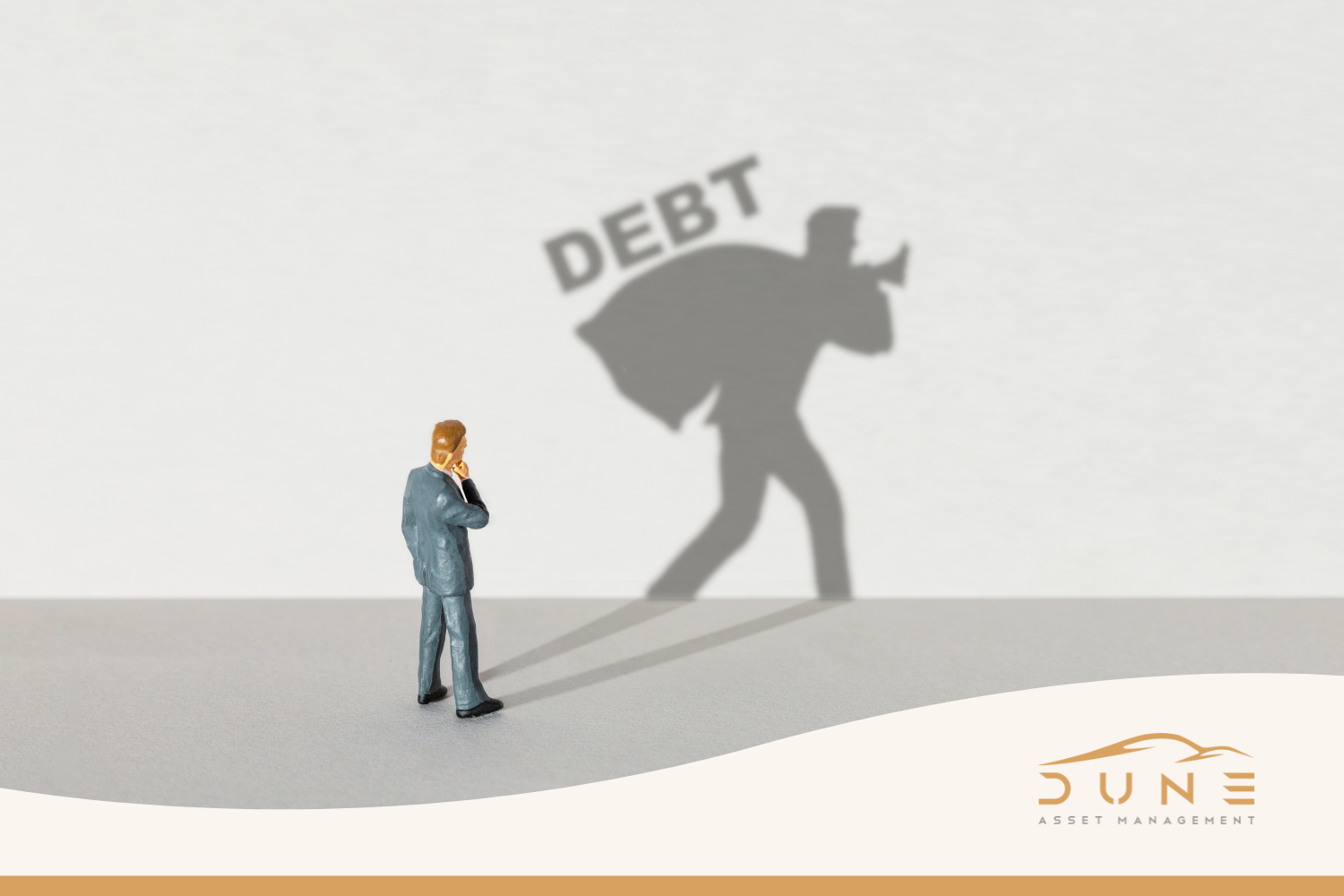
For the seasoned investor, understanding the workings of monetary policy is paramount. We often hear that lower interest rates boost the economy by encouraging companies to borrow and invest. Sounds neat, but the reality is far more complex