

The IPO market is having a moment again, but this time the story is not being led by a broad base of mid-sized companies. Instead, it is being defined by a small group of heavyweight private names that have decided the public market window is worth testing. SpaceX, Anthropic and OpenAI are not just large companies preparing to list; they are potential market-shapers whose moves could influence sentiment far beyond the tech sector.
That is what makes this cycle different.
In a typical IPO wave, the market usually sees a mix of businesses seeking capital, liquidity and visibility. This year, much of the attention is focused on a handful of companies with enormous valuations, strong brand recognition and capital requirements that are too significant to remain private forever.
In other words, we see this as less a wave of listings and more a stress test for investor appetite.
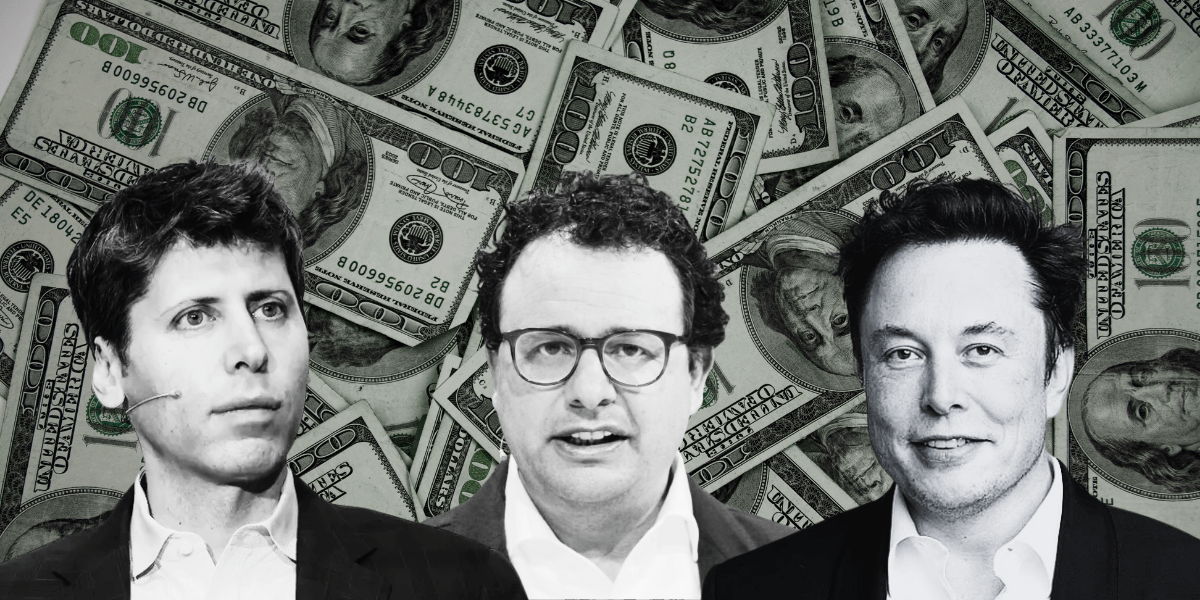
If there’s one thing to know about an IPO boom, it is that there is rarely just one single trigger. And this current wave is no different.
The first factor is timing. Public markets have improved enough to make large offerings more feasible. Meanwhile, private market valuations remain elevated enough to tempt companies and early backers to cash in some of that value. When those two conditions align, the result is often a rush to the exit, or at least a carefully measured walk toward it.
The second factor is narrative. AI and frontier technology continue to command extraordinary attention, and investors are still willing to pay for long-duration growth if the story is compelling enough. That matters because IPOs are never just about raising capital. They are also about valuation, credibility and timing, and right now the story is working in favour of companies that can frame themselves as central to the next decade of innovation.
SpaceX: the benchmark deal
SpaceX has now priced and launched its public listing, turning what had been a headline-driven pipeline into an actual market event. The company fixed its offer price at $135 per share, targeting a valuation of about $1.77 trillion and an estimated raise of roughly $75 billion, making it the largest IPO on record.
For investors, the important point is not whether to participate, but what this tells us about the market backdrop. A company of SpaceX’s scale would not move this aggressively unless it believed public markets were ready to absorb a very large deal. That makes this IPO a useful gauge of current appetite for high-growth, high-profile private names.
Anthropic: the first mover in the AI race
Anthropic has already made its move, filing confidentially for an IPO and positioning itself as one of the first major AI companies to take a serious step toward the public market.
Its reported valuation underscores not only the scale of the opportunity but also the expectations attached to it. A company at this level is not simply raising money; it is asking the market to validate a valuation built on the promise of future dominance.
That is where Anthropic becomes especially important. It sits at the intersection of the AI boom and the IPO reopening, and its decision to step forward now suggests confidence that investor demand remains strong enough to support premium pricing. At the same time, it raises the stakes for everyone else in the sector, because once one major AI name moves, the rest are forced to ask whether they are next.
OpenAI: the name that changes the conversation
OpenAI’s confidential filing has added even more weight to the current wave. Few companies have done more to define the AI era in the public imagination, which means its path to market will be watched not just by investors, but by competitors, customers and regulators as well. A public debut would be more than a financing event; it would be a defining moment for the AI trade.
This is why OpenAI matters so much in the current cycle. It is the kind of name that can transform an IPO from a corporate milestone into a market narrative. If Anthropic is the first mover and SpaceX is the benchmark, OpenAI is the company that can turn the entire process into a referendum on the value of the AI revolution itself.
The broader implication is that 2026 may be a year when the public markets are asked to absorb not just new listings but also new expectations. These are not ordinary IPOs. They are highly visible, highly valued and highly symbolic offerings that could define how investors think about scale, growth and technological leadership for years to come.
If the market responds positively, the result could be a much wider reopening of the IPO pipeline. If it does not, the current enthusiasm may prove to be selective rather than durable. Either way, the message is clear. The public market is being asked to price the next era of innovation, and the companies leading this charge are definitely not coming quietly.