Small Reactor, Big Problem

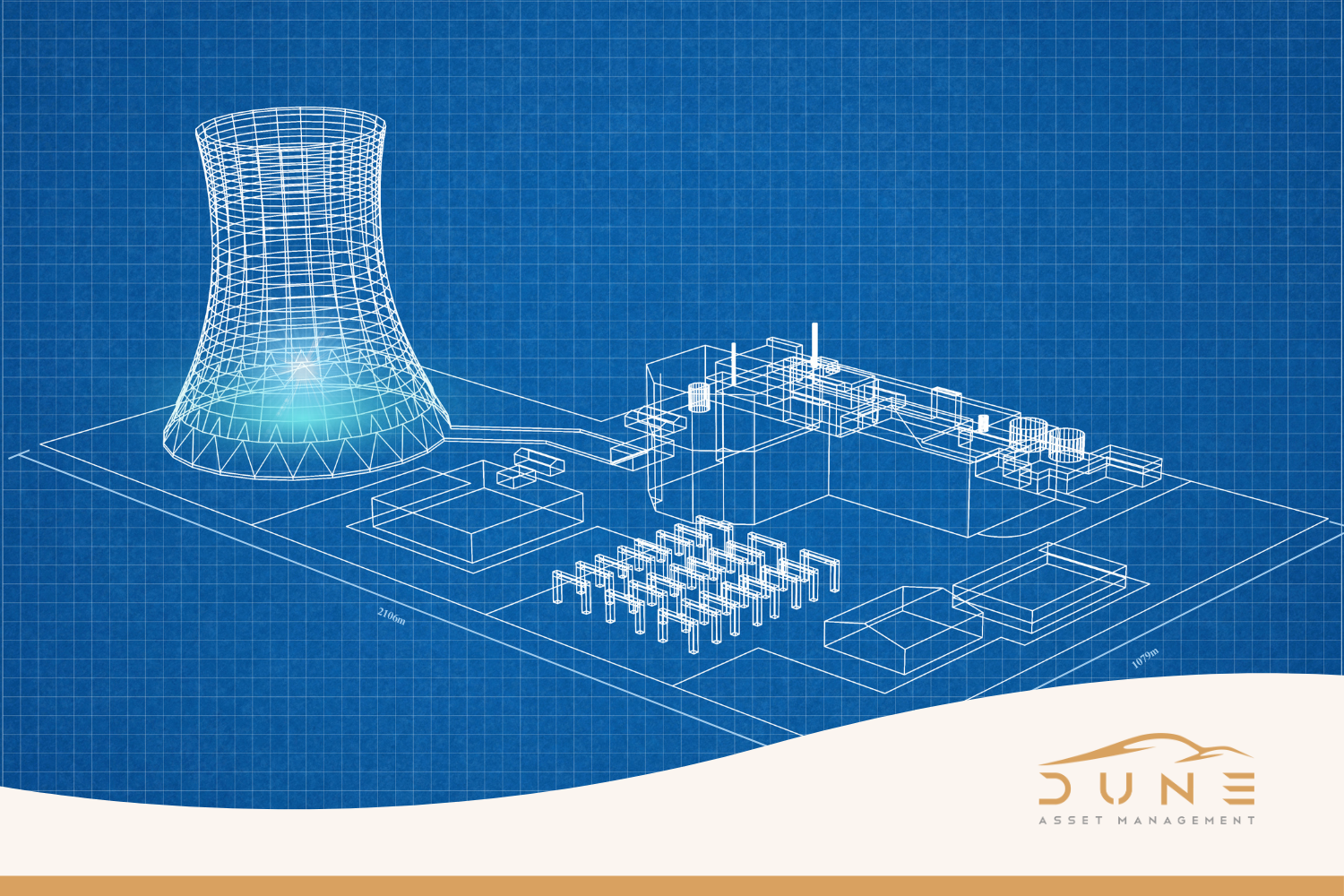
Image showing a blueprint of a nuclear plant

Singapore, a nation renowned for its daring ambition and ingenious solutions to seemingly insurmountable problems, is once again charting a course into uncharted territory. Faced with the existential threats of climate change and energy insecurity, the island state is seriously exploring nuclear power. But this isn’t about traditional, colossal power plants; it’s a calculated gamble on Small Modular Reactors (SMRs).

The question, however, remains acute: can this tiny nation, barely a red dot on the world map, truly accommodate the tedious complexities of nuclear energy?

Singapore’s journey towards nuclear consideration is born out of necessity. As a land-scarce, alternative-energy-disadvantaged nation, its options for decarbonisation are severely limited. Solar power, while growing, can only meet a fraction of its projected electricity demand, and conventional renewables like wind and hydro are simply not viable.

Critically, Singapore’s near-total reliance on imported natural gas for power generation leaves it vulnerable to global geopolitical shocks and supply chain disruptions. The government’s “four switches” energy strategy mandates the exploration of low-carbon alternatives, and advanced nuclear energy, specifically SMRs, has emerged as a potential game-changer.

The appeal of SMRs to Singapore is clear: their smaller footprint, enhanced passive safety features, and modular construction directly address the constraints that ruled out conventional nuclear plants in a 2012 pre-feasibility study. These reactors can potentially be deployed in existing industrial zones like Jurong Island, or even on innovative offshore or underground platforms, minimising surface land use.  

This miniaturisation of nuclear technology is key to envisioning a domestic, baseload power source that is both stable and carbon-free. However, the theoretical fit of SMRs on a map doesn’t erase the “big problems” that nuclear power, regardless of its scale, inevitably brings.

One of the most significant challenges for Singapore is the long-term management of radioactive waste. A nation with limited land and complex geology is simply not equipped to store or dispose of high-level nuclear waste within its borders. The current strategy hinges on securing international cooperation for the disposal of spent fuel, a diplomatic feat that is easier said than done. Convincing another sovereign nation to accept highly radioactive waste is an enormous political and logistical hurdle, potentially involving complex bilateral agreements and substantial financial commitments. Without a secure, long-term solution, the promise of clean nuclear energy risks creating an intractable problem for future generations.

Beyond the technical and logistical hurdles, public perception and trust represent another “big problem.” While SMRs boast advanced safety features, the spectre of nuclear accidents from past eras can still loom large in the public imagination.

For Singapore, a nation with a meticulously managed environment and a zero-tolerance approach to public safety risks, garnering widespread public acceptance will be paramount. This requires not just transparent communication about the technology and its benefits, but also iron-clad guarantees regarding regulatory oversight, emergency preparedness, and the secure handling of all nuclear materials.

Ultimately, Singapore’s pursuit of nuclear power via SMRs is a testament to its forward-thinking approach to national strategy. It is investing heavily in capability building, collaborating with international experts like the Idaho National Laboratory, and meticulously following the IAEA’s “Milestones Approach” to ensure any future deployment adheres to the highest global standards. Yet, the road ahead is fraught with challenges. While small reactors may offer a physical fit, the bigger issues of waste management, public acceptance, and the inherent geopolitical complexities of nuclear technology will truly test Singapore’s legendary ability to turn constraints into catalysts for innovation.

The world will certainly be watching to see if this tiny nation can indeed crack the code for a nuclear future that is both powerful and peaceful.