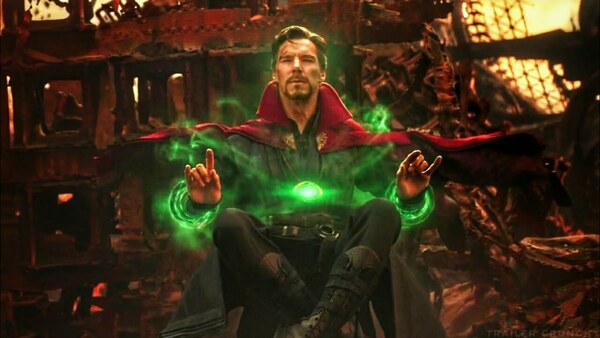
"I went forward in time. To view alternate futures. To see all the possible outcomes of the coming conflict." - Dr. Stephen Strange
The crosswinds of Economic, Geopolitical and Social currents create one hell of a macro environment to decipher. It feels like we are in the Avengers where there is only one possibility out of 14,000,605 outcomes to defeat Thanos (the stock market).
2020-2022 have been the years of the tails, where outsized moves in the various asset classes create longer-lasting reflexivity flows that run beyond the ordinary course of a structural trend, overshooting and undershooting what is expected to be normal ebbs and flows in a trending market. These moves are occurring even in sound investments, and it will be remiss of us not to admit that the volatility make us question our investment thesis and has been the source of some whipsaws in performance.
This leads us to recall a great Morgan Housel piece where he pointed out that even the most steadfast investors can get caught up in their emotions when confronted with such an environment:
Can you survive your assets declining by 30%? On a spreadsheet, maybe yes – in terms of actually paying your bills and staying solvent. But what about mentally? It’s easy to underestimate what a big decline does to your psyche. You might realize your confidence is more fragile than you assumed. You – or your spouse – may decide it’s time for a new plan. I know several investors who quit after losses because they were exhausted. Physically exhausted. Spreadsheets can model the historic frequency of big declines. But they can’t convey the feeling of coming home, looking at your kids, and wondering if you’ve made a huge mistake that will impact their lives.
I don’t think there’s any way to understand what a bear market feels like until you’ve lived through one.
Part of the reason is that it’s impossible to contextualize what causes losses until they happen. If I say to you, “How would you feel if the market fell 30%?” you imagine a world where everything is the same as it is today, but stock prices are 30% cheaper. And in that world, it feels like an opportunity. But what actually makes the market fall 30% is a pandemic that might kill you, or a recession where you might lose your job, or a terrorist attack that might just be beginning, or inflation with no end in sight. And in that world – a world that can’t be known until it happens – things feel different. Saying “I’ll be greedy when others are fearful” is easier than actually doing it, because people underestimate the odds of themselves becoming one of the “others.”
All past declines look like opportunities and all future declines look like risks. It’s one of the great ironies in investing. But it happens for a reason: When studying history you know how the story ends, and it’s impossible to un-remember what you know today when thinking about the past. So it’s hard to imagine alternative outcomes when looking backward, but when looking ahead you know there are a thousand different paths we could end up on.“
What a fabulous snippet of text that echoes our current thoughts. Despite all that, we understand that the existing Macro Environment is one of the best in decades, and we need to look beyond the Veil Of Volatility.
The past few months have been spent trying to stem this volatility by attempting to time the highs and lows of fundamentally sound investments. We found this necessary then, as we were running at almost a 100% vested interest with outsized reflexive flows in both directions, with FOMO (Fear Of Missing Out) and FUD (Fear. Uncertainty. Doubt) amplified mainly depending on how close we were to our portfolio risk-levels.
In retrospect, we found this self-defeating. The better steward of capital will be to reduce position sizing and embrace the volatility, riding the fundamentals beyond the veil of current perception. As asset classes take turns getting battered (now commodities), there appears to be no safe space unless one wants to hold value in Fiat, where the cost of carry is high in real-terms due to the decade of inflation.
Choosing to stay invested at this point is a conscious effort to cling onto an uncertain future, but cling on we must if the inflationary episodes of history were to be any guide (Weimar Republic, Post World War 2 Real-Terms Wealth Destruction, Post 1971 Purchasing Power Destruction). Volatility is here to stay for the foreseeable future, especially in the years of the Tails; however, choosing to escape volatility for the “safety” of cash leaves us without an escape vault out of this sinking “Economic Vessel”. The only variable we can control at this point is the Position Sizing that allows us to navigate these waters nimbly through a chartered path (Real-Assets) those market wizards of old have successfully sailed through before.
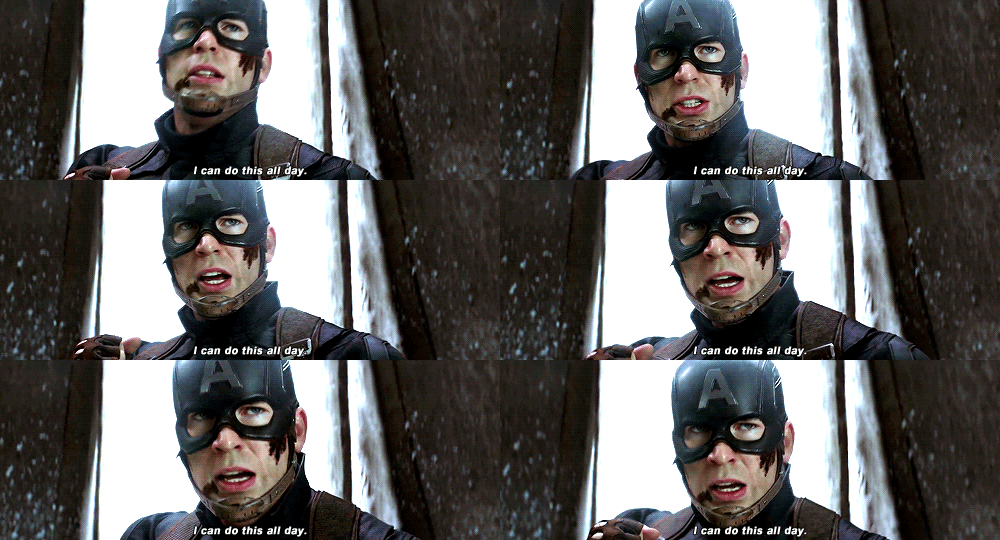
When presented with the options of Cash vs Cautiously Invested With Volatility, the latter gives us a fighting chance to emerge victorious on the other side.
That is a path we will take any day of the week.