The Petro-Pivot

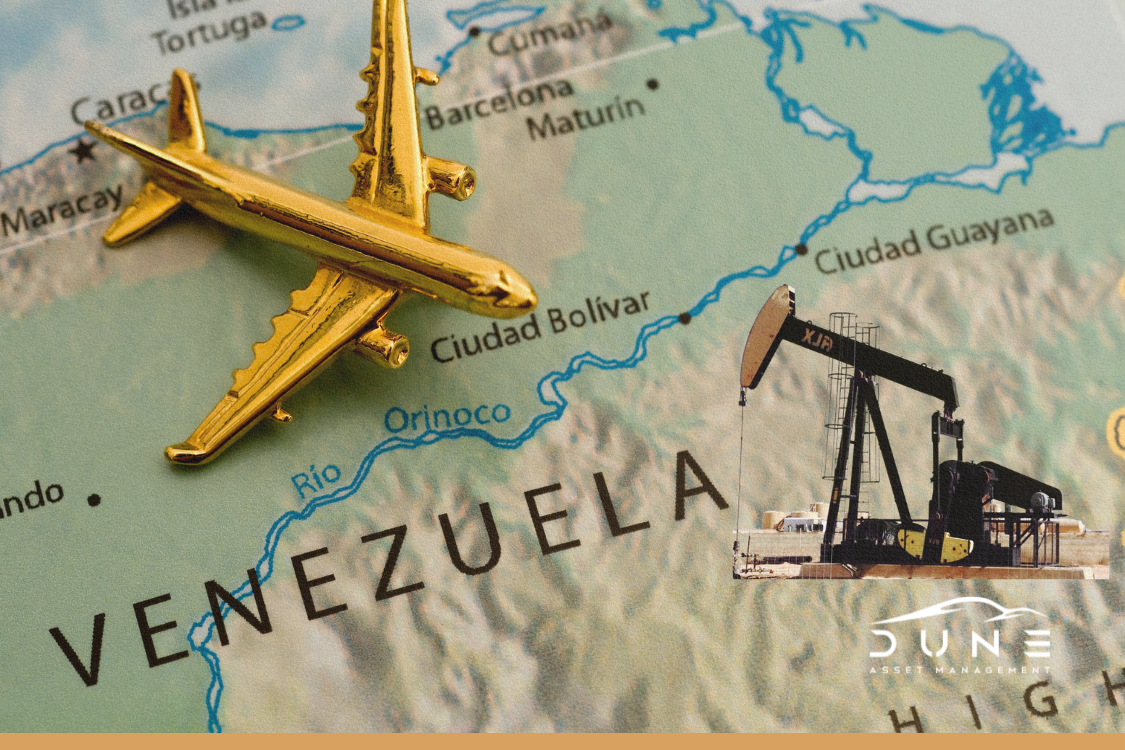
The global landscape shifted significantly last weekend following the capture of Nicolás Maduro during Operation Absolute Resolve. While the political implications are the focus of evening news cycles, the financial world is looking closely at the energy sector.

Under normal circumstances, a major leadership change in an oil-rich nation creates a panic premium that drives up gas prices. However, the current market is defined by a global surplus.

Traders understand that Venezuela cannot ramp up production instantly. After years of underinvestment, the country’s energy infrastructure is in a state of decay. Venezuela is currently producing roughly 1 million barrels per day, and because this oil won’t flood the market anytime soon, crude prices stayed steady near $58 per barrel. For investors, this suggests that the impact of this event is structural rather than an immediate shock to supply.

Infrastructure Opportunities

To identify where the value is moving, look at the companies that actually possess the technical expertise to build the wells. To successfully obtain Venezuela’s 300 billion barrels of oil (the largest reserves in the world) out of the ground, the country requires a massive technological overhaul.

Investors are flocking to Oilfield Service companies like Halliburton (HAL) and SLB. Think of it like a gold rush: the miners (oil companies) might take time to get started, but the people selling the shovels (the service companies) get paid first. These stocks saw a 7–9% jump this week because they are the only ones with the technology to fix Venezuela’s crumbling infrastructure.

The Advantage Of The First Mover

While many companies fled Venezuela years ago, Chevron (CVX) stayed behind, operating under special licenses. Because they already have “boots on the ground,” they are the clear front-runner for new contracts.

The U.S. government has signalled that they want American firms to lead the recovery. For a long-term investor, Chevron represents a “first-mover” advantage in what could be the biggest energy comeback story of the decade.

A Shift in Global Power Dynamics

This isn’t just about money; it’s about who holds the cards. For years, Venezuela used its oil to help allies like China and Iran bypass U.S. sanctions. With the U.S. now effectively overseeing the transition, that alternative route has been eliminated.

  • China loses its most reliable non-Western oil source.
  • Iran loses its partner in sanctions evasion.
  • The U.S. gains massive leverage over global energy prices for the next twenty years.

Don’t expect an overnight windfall: The U.S. government has indicated it will maintain a strict oversight period to ensure a stable transition, and experts estimate it could take $100 billion and nearly a decade to restore Venezuela to its peak production levels.

If you are looking for quick wins, the volatility in Venezuelan sovereign bonds is where the most movement is happening. However, for a diversified portfolio, the real story lies in the American energy majors and service providers who will lead the decade-long reconstruction of a fallen energy giant.

Disclaimer: This analysis is for educational purposes and does not constitute financial advice. Always consult with a financial advisor before making major investment decisions.

The global landscape shifted significantly last weekend following the capture of Nicolás Maduro during Operation Absolute Resolve. While the political implications are the focus of evening news cycles, the financial world is looking closely at the energy sector.

Under normal circumstances, a major leadership change in an oil-rich nation creates a panic premium that drives up gas prices. However, the current market is defined by a global surplus.

Traders understand that Venezuela cannot ramp up production instantly. After years of underinvestment, the country’s energy infrastructure is in a state of decay. Venezuela is currently producing roughly 1 million barrels per day, and because this oil won’t flood the market anytime soon, crude prices stayed steady near $58 per barrel. For investors, this suggests that the impact of this event is structural rather than an immediate shock to supply.

Infrastructure Opportunities

To identify where the value is moving, look at the companies that actually possess the technical expertise to build the wells. To successfully obtain Venezuela’s 300 billion barrels of oil (the largest reserves in the world) out of the ground, the country requires a massive technological overhaul.

Investors are flocking to Oilfield Service companies like Halliburton (HAL) and SLB. Think of it like a gold rush: the miners (oil companies) might take time to get started, but the people selling the shovels (the service companies) get paid first. These stocks saw a 7–9% jump this week because they are the only ones with the technology to fix Venezuela’s crumbling infrastructure.

The Advantage Of The First Mover

While many companies fled Venezuela years ago, Chevron (CVX) stayed behind, operating under special licenses. Because they already have “boots on the ground,” they are the clear front-runner for new contracts.

The U.S. government has signalled that they want American firms to lead the recovery. For a long-term investor, Chevron represents a “first-mover” advantage in what could be the biggest energy comeback story of the decade.

A Shift in Global Power Dynamics

This isn’t just about money; it’s about who holds the cards. For years, Venezuela used its oil to help allies like China and Iran bypass U.S. sanctions. With the U.S. now effectively overseeing the transition, that alternative route has been eliminated.

  • China loses its most reliable non-Western oil source.
  • Iran loses its partner in sanctions evasion.
  • The U.S. gains massive leverage over global energy prices for the next twenty years.

Don’t expect an overnight windfall: The U.S. government has indicated it will maintain a strict oversight period to ensure a stable transition, and experts estimate it could take $100 billion and nearly a decade to restore Venezuela to its peak production levels.

If you are looking for quick wins, the volatility in Venezuelan sovereign bonds is where the most movement is happening. However, for a diversified portfolio, the real story lies in the American energy majors and service providers who will lead the decade-long reconstruction of a fallen energy giant.

Disclaimer: This analysis is for educational purposes and does not constitute financial advice. Always consult with a financial advisor before making major investment decisions.