

Although we have previously explored traditional and renewable energy sources, we have yet to delve deeply into the emerging realm of new energy. New energy, though still a relatively niche subset, holds a pivotal role in the transition to a low-carbon economy and serves as a new engine for economic growth. In this brief, we will explore three variations of new energy: Nuclear, Waste Energy, and Green Hydrogen.
Nuclear Energy
Current Status of Nuclear Energy
Nuclear energy, one of the world’s oldest low-carbon technologies along with hydropower, was once heralded as a key to a cleaner and greener future. It produces almost zero carbon dioxide or other greenhouse gas emissions during operation.
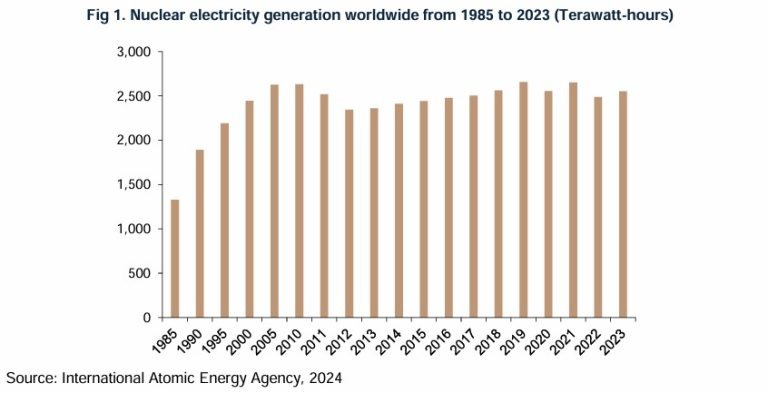
Since its inception, nuclear energy’s popularity has fluctuated over the years, often mired in controversy. In the late 1990s, the adoption of nuclear energy grew significantly but eventually faced a slowdown, especially after the 2011 Fukushima nuclear disaster. The incidents at Fukushima notably fueled resistance against nuclear energy as a safe power source. This has led to a distinctive split in nuclear energy usage among countries, with some investing significantly to increase their nuclear capacity, while others are moving away from nuclear power. As a result, nuclear energy’s role in the global energy mix is highly specific to each country. For example, countries like Hungary and France depend heavily on nuclear energy for electricity production, whereas their neighbours, like Germany and Spain, have decommissioned or are in the process of decommissioning their nuclear plants.
While the Fukushima nuclear accident has hindered the global advancement of nuclear energy, it has recently been experiencing a gradual resurgence. Global nuclear energy power generation is projected to reach a record high by 2025, with several plants restarting in Japan and new reactors beginning commercial operations across Asia and Europe. Currently, nuclear energy accounts for approximately 10% of the world’s electricity. According to a recent news article by CNA, experts are advocating for a tripling of global nuclear capacity to meet the objectives set forth by the Paris Agreement, suggesting that there is ample room for growth if the world is committed to hitting climate objectives.
For a global push towards nuclear energy, the stigma surrounding its safety must be addressed. Many individuals remain hesitant to show support for nuclear energy due to the perceived dangers linked to past incidents, such as the Fukushima and Chernobyl disasters. However, since Chernobyl nearly 40 years ago, nuclear technology and safety protocols have advanced significantly, putting us in a much stronger position to assess, understand, and prevent similar accidents in the future.
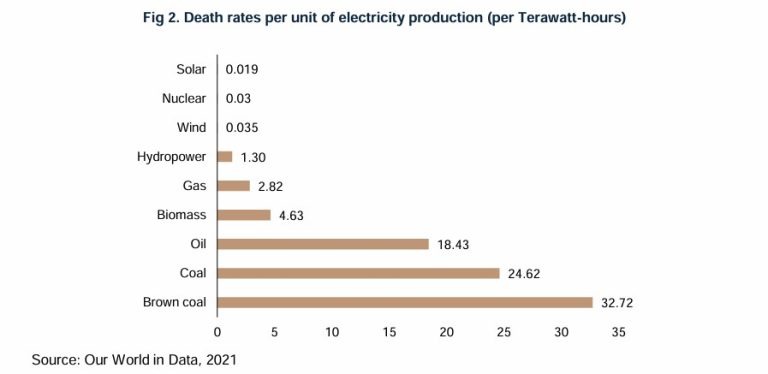
In truth, the Fukushima disaster could have been avoided if the plant had adhered to international best practices and standards, which would have mitigated the risks associated with operating in an earthquake- and tsunami-prone area. Fundamentally, nuclear energy is one of the cleanest and safest energy sources in the world, though its potential has been overshadowed by highly publicised failures that have unfairly discredited its capabilities.
Bull Cases
Traditionally, in a deregulated energy market, nuclear energy has not been considered an economically attractive option for generating electricity. The substantial initial capital investment has been a significant deterrent, even though nuclear plants have a long lifespan and are relatively inexpensive to operate once completed. This is largely because investors are often unwilling to wait for extended periods to see returns on their investments.
However, recent innovations in Small Modular Reactors (SMRs) are helping to alleviate these capital barriers. These new reactor designs offer advantages such as shorter construction times, reduced costs, and increased flexibility in deployment, potentially reducing the upfront capital costs of nuclear projects. While a smaller plant will naturally result in lower electricity production, these plants are designed to replace retiring conventional energy plants, effectively bridging the supply gap quickly while providing cleaner energy solutions.
The flexibility in deployment also allows these plants to be installed close to where power is needed, including on sites of decommissioned plants that are already connected to the grid system. SMRs have been gaining significant traction recently, as major tech companies look to meet the increasing electricity demands driven by the artificial intelligence (AI) revolution. Notably, three tech giants—Amazon, Google, and Microsoft—have made headlines by initiating ventures in SMRs, where their financial clout and innovative capabilities may help the industry grow as a whole.
In a domestic context, SMRs could be a viable option for Singapore, which is seeking ways to decarbonize and had previously dismissed the possibility of nuclear energy due to geographical constraints.
Beyond SMRs, nuclear fusion, an alternative to traditional nuclear fission that can yield several times more energy, is another promising method for future energy generation. While the technology is still under development, private investment in nuclear fusion has intensified, doubling in nearly two years, signalling growing confidence that it can eventually be commercialised.
Waste-to-Energy
Solving two issues in one
Our world is multi-faceted. Apart from balancing out increasing energy demands and a climate crisis, the world is facing a myriad of issues that demand our attention. One such example is waste management. Our human population consumes so much that we annually generate 2.21 billion tons of waste, of which 1.3 billion tons are municipal solid waste, known as “Garbage”. While it is common for countries to dispose of waste in landfills, countries must now grapple with limited landfill space. Additionally, landfills produce a significant amount of methane, a greenhouse gas far more potent than carbon dioxide, impeding initiatives to slow down global heating.
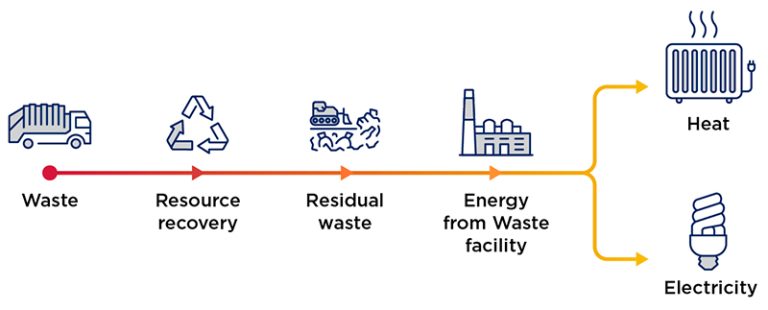
Waste-to-energy (WtE) offers an economical and ecological way to generate another source of energy while diverting waste from landfills. A WtE energy plant converts municipal and industrial solid waste into electricity or heat for industrial purposes. The plant works by burning waste at high temperatures and using heat to make steam, which then drives turbines to create electricity. However, such a method receives backlash for carbon pollution, as well as the toxicity it can create from incinerating items such as plastics and toxic metals, which is detrimental to human health and the environment.
Despite the possible complications, WtE technology is making an entry into Southeast Asia, which has long struggled with proper waste disposal and plastic pollution. Thailand is one such country, with 34 WtE plants commencing operation by 2026. Likewise, 17 WtE projects have been proposed in Indonesia, with the nation recently commissioning two WtE plants. Apart from Southeast Asia, China and Japan are also big adopters of this method, alongside some nations in Northern Europe.
While WtE energy might not be as attractive compared to renewables, given the drawbacks, it is still an important aspect of renewable energy generation and waste management for smaller and denser countries or cities. Investment opportunities are certainly present there. For example, Sweden only sends 1% of its trash to landfills, with the rest used to supply over one million households with heat and or electricity. Some of the country’s largest plants are operated by Stockholm Exergi, a subsidiary of Finnish utility company Fortum, which is listed on Nasdaq Helsinki.
Green Energy
Rise of the Hydrogen Economy
Hydrogen has the potential to replace fossil fuels, a crucial step in decarbonising our economy. Unlike traditional fossil fuels, green hydrogen combusts cleanly, producing primarily water vapour as a byproduct. Green hydrogen is produced through the process of electrolysis, where water is split into hydrogen using electricity from renewable sources or off-peak grids. The hydrogen is then stored and either used in fuel cells or directly burned to produce electricity, which can power transportation mediums, machinery, or provide heating.
For transportation, green hydrogen is used to power fuel cell electric vehicles, which include various categories of vehicles. These vehicles emit water vapour, presenting a much cleaner alternative to fossil fuels. However, hydrogen-powered vehicles have not made a significant impact on the land transportation industry, given the cost attractiveness and supporting facilities for battery-powered cars and traditional electric vehicles. Hydrogen cars are generally pricier than electric vehicles, benefiting from the fall in the price of lithium batteries and a vast charging network. Looking at the hydrogen-powered vehicles market, we can see that global sales fell by more than 30% in 2023. A more established system is required to make hydrogen-powered vehicles more viable.
However, where hydrogen energy can make an impact in transportation is in shipping. While hydrogen in shipping is a developing technology, with shipping responsible for 90% of world trade and accounting for up to 3% of global emissions, the urgency to reduce the industry’s carbon footprint by 50% before 2030 presents a huge ambition that green hydrogen can help achieve. Apart from cleaner emissions, when blended with conventional fuels in combustion engines, fuel cells offer greater efficiency, up to 50-60%. A significant leap for hydrogen energy will be the ability to unlock hydrogen-fueled cargo ships. Construction has begun, with the world’s first small container ship powered by green hydrogen looking to enter the market in the second half of 2025.
In terms of investment opportunities, publicly listed companies developing hydrogen fuel solutions like Plug Power or FuelCell Energy are notable mentions. However, it is important to note that these companies are not yet fully profitable, given the developing technology and industry. Investing in these companies carries its risks, yet, if hydrogen energy and other new energy formats can re-energize the economy, the returns could be substantial.